Operating a food establishment in Dubai comes with stringent regulatory requirements that protect public health and ensure customer safety. At the heart of these requirements lies the Dubai Municipality hygiene audit—a comprehensive inspection that evaluates your compliance with food safety standards, cleanliness protocols, and operational hygiene practices.
Whether you’re running a restaurant, hotel kitchen, catering business, or food manufacturing facility in the UAE, understanding how to prepare for and pass these audits is essential for maintaining your license and protecting your brand reputation. This guide walks you through everything you need to know about Dubai Municipality food safety inspections in 2025.
Understanding Dubai Municipality Food Safety Requirements
The Dubai Municipality Food Control Department has established comprehensive regulations that all food businesses must follow. These standards align with international best practices while addressing the specific needs of the UAE’s diverse hospitality and food service industry.
The food code Dubai Municipality enforces covers every aspect of food handling, from receiving raw ingredients to final service. This includes proper storage temperatures, cross-contamination prevention, personal hygiene protocols, pest control measures, and cleaning chemical safety. The Dubai food safety authority conducts both scheduled and surprise inspections to verify compliance with these standards.
Food businesses must register with the Dubai Municipality food safety department and obtain the necessary permits before operations begin. This process involves submitting facility plans, equipment specifications, and detailed hygiene protocols for review. The food product registration in Dubai Municipality ensures that only approved items are used in commercial food preparation.
Key Components of Dubai Municipality Hygiene Audits
During a DM inspection, auditors evaluate multiple critical areas that directly impact food safety. Understanding these components helps you prepare systematically and identify potential weak points in your operation.
Food Handler Health and Training
Every staff member handling food must possess a valid Dubai Municipality occupational health card. This requirement ensures that employees are medically fit and free from communicable diseases. The occupational health card application involves medical testing at approved facilities, and cards must be renewed regularly.
Beyond health clearances, Dubai Municipality food safety regulations mandate that all food handlers complete basic food hygiene training. This training covers essential topics like handwashing techniques, temperature control, allergen management, and preventing cross-contamination. Your team should receive regular refresher courses to stay updated on current food safety practices and Dubai Municipality food safety regulations.
Facility Hygiene and Sanitation
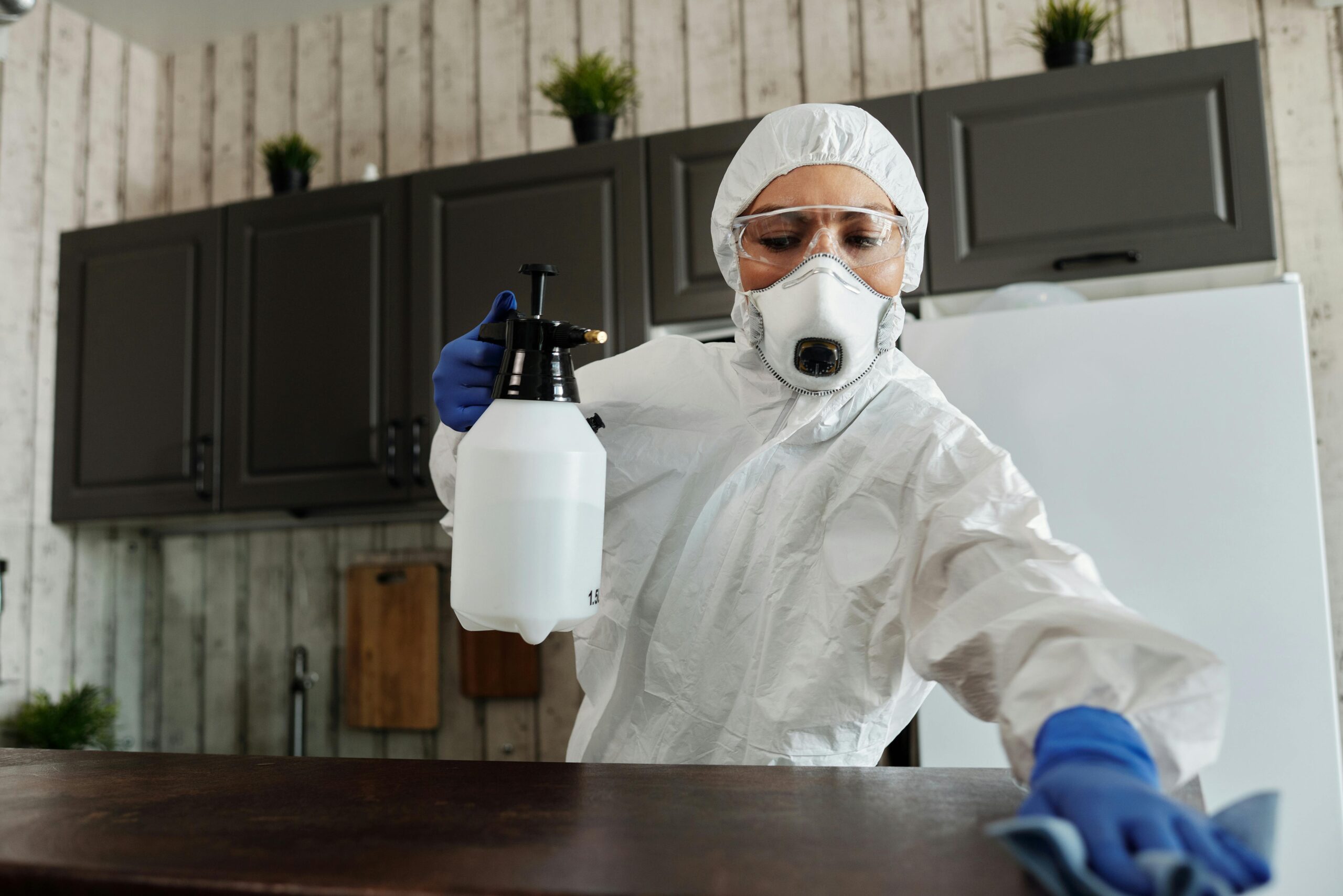
Auditors scrutinize every surface, piece of equipment, and storage area in your establishment. Floor surfaces must be clean, non-slip, and free from cracks where bacteria can accumulate. Walls, ceilings, and work surfaces should be constructed from approved materials that are easy to clean and sanitize.
Using Dubai Municipality approved cleaning chemicals is non-negotiable. These certified products meet local safety standards and effectively eliminate foodborne pathogens without leaving harmful residues. Companies like Bio Dubai supply a comprehensive range of municipality-approved disinfectants, degreasers, and sanitizers specifically formulated for food service environments across Dubai and the UAE.
Your cleaning schedules must be documented and followed consistently. This includes deep cleaning protocols for equipment like ovens, refrigerators, and ventilation systems. The Dubai Municipality food control department may request these records during inspections to verify your commitment to maintaining sanitary conditions.
Temperature Control and Food Storage
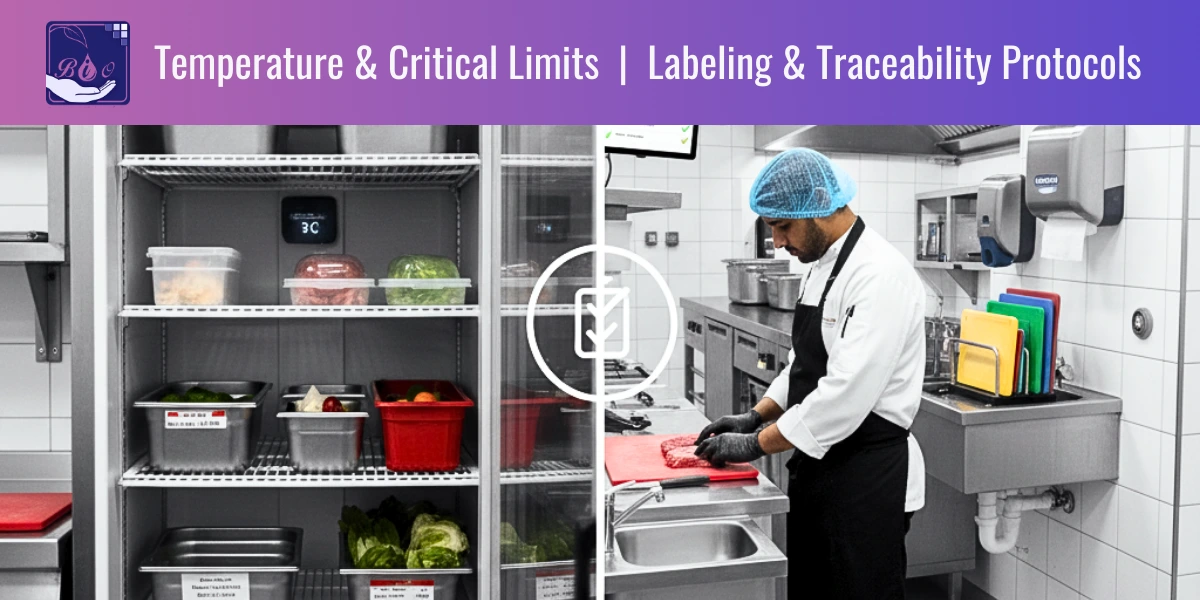
Proper temperature management is fundamental to preventing bacterial growth and foodborne illness. Refrigerators should maintain temperatures below 5°C, while freezers must stay at -18°C or colder. Hot food must be kept above 63°C during service.
Auditors check calibration records for thermometers and temperature logs for all cold and hot holding equipment. They also verify that raw and cooked foods are stored separately to prevent cross-contamination, and that all items are properly labeled with preparation dates and expiration information.
Pest Control and Waste Management
An effective pest control program is essential for passing hygiene audits. The Dubai Municipality pest control guidelines require regular inspections by licensed professionals, properly sealed entry points, and immediate action if pest activity is detected.
Waste disposal must follow strict protocols. Garbage bins should have tight-fitting lids, be emptied frequently, and stored away from food preparation areas. Grease traps require regular cleaning to prevent blockages and pest attraction.
How to Prepare for Your Dubai Municipality Food Inspection
Preparation begins long before the inspector arrives at your door. Successful establishments implement continuous monitoring systems that keep them audit-ready year-round.
Conduct Regular Self-Inspections
Schedule weekly or bi-weekly internal audits using the same criteria that Dubai Municipality food safety inspectors apply. This proactive approach helps identify issues before they become violations. Assign a dedicated team member to lead these inspections and document findings.
Create detailed checklists covering all audit components: employee health cards, training certificates, cleaning logs, temperature records, equipment maintenance, and chemical storage. Address any deficiencies immediately and track corrective actions.
Maintain Comprehensive Documentation
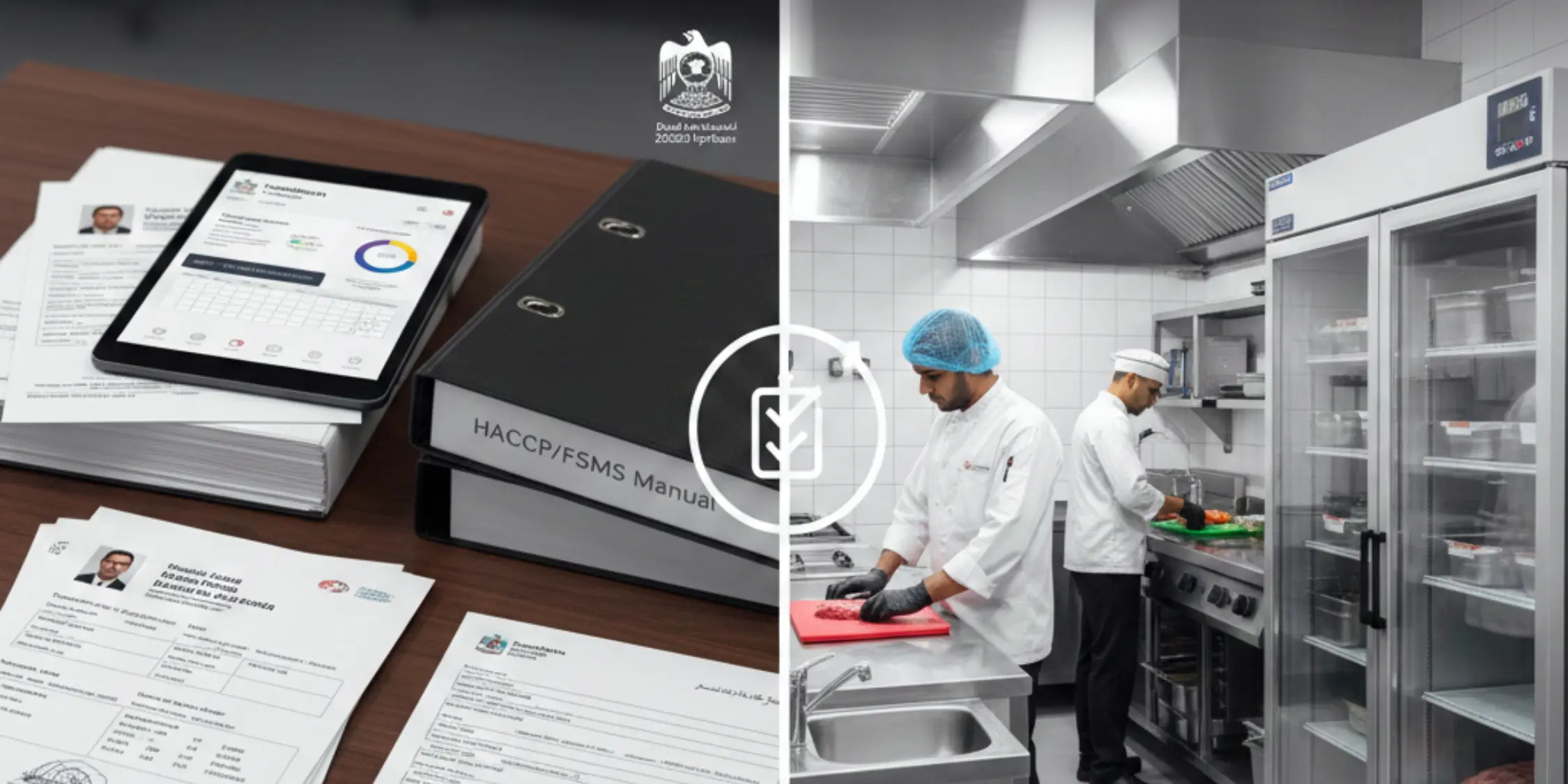
The Dubai Municipality food control department expects meticulous record-keeping. Your documentation system should include supplier invoices proving you source from approved vendors, batch codes for traceability, employee training certificates, and pest control service reports.
Digital systems like the FoodWatch Dubai portal streamline compliance tracking. Through the FoodWatch DM login, establishments can access inspection reports, submit required documentation, and stay informed about regulatory updates. Having a FoodWatch contact number readily available ensures you can quickly resolve any system-related questions.
Invest in Quality Cleaning Products and Programs
Using Dubai Municipality approved cleaning chemicals demonstrates your commitment to meeting official standards. BioDubai provides comprehensive hygiene solutions tailored to food service requirements, including food-grade sanitizers, kitchen degreasers, and floor care products that comply with all local regulations.
Establish clear cleaning protocols that specify which products to use for different surfaces and tasks. Train staff on proper dilution ratios, contact times, and safety precautions. Store cleaning chemicals separately from food items in clearly labeled containers.
Ensure Staff Compliance and Training
Your team is your first line of defense in maintaining hygiene standards. Verify that every employee has a valid occupational health card and has completed certificate for food hygiene training. Schedule refresher courses quarterly to reinforce critical concepts and introduce new procedures.
Create a culture where hygiene is everyone’s responsibility. Encourage staff to report potential issues immediately and reward those who demonstrate exceptional attention to food safety protocols.
Common Violations and How to Avoid Them
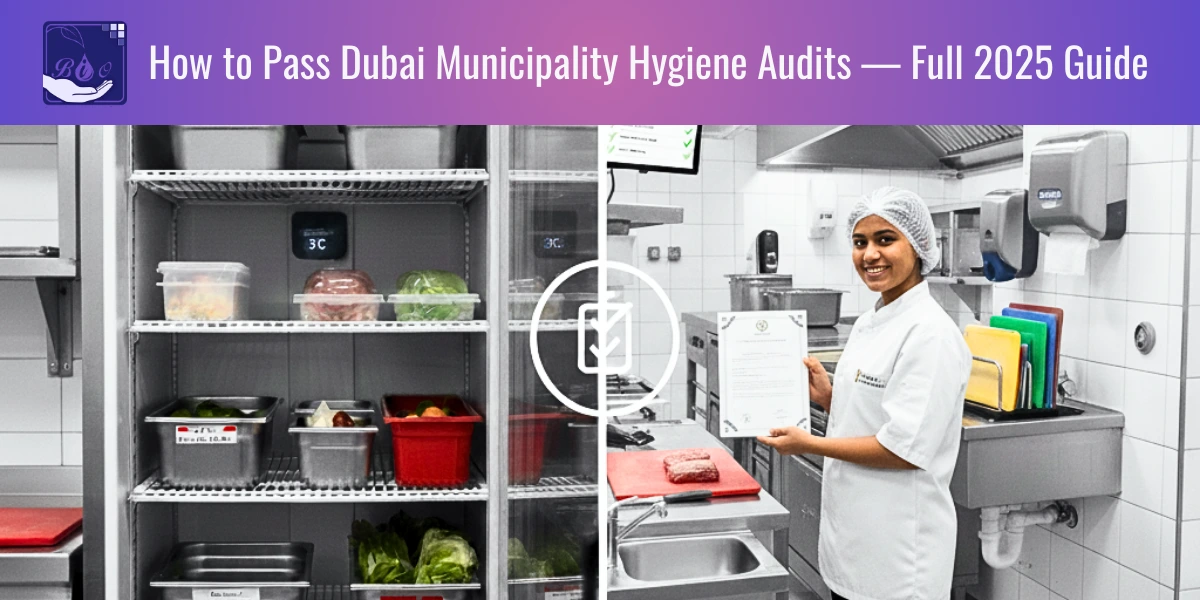
Understanding frequent compliance failures helps you focus prevention efforts on high-risk areas.
Personal Hygiene Violations
Expired occupational health cards, inadequate handwashing, wearing jewelry while handling food, and failing to cover hair are common citations. Implement daily checks to ensure staff appearance meets standards before shifts begin.
Temperature Abuse
Leaving perishable foods in the temperature danger zone (5°C to 63°C) for extended periods promotes bacterial growth. Invest in reliable thermometers, establish monitoring routines, and train staff to recognize signs of equipment malfunction.
Cross-Contamination Risks
Using the same cutting boards for raw meat and vegetables, storing raw proteins above ready-to-eat foods, and inadequate handwashing between tasks create cross-contamination hazards. Color-coded equipment and clear separation protocols eliminate these risks.
Inadequate Cleaning Practices
Using non-approved chemicals, inconsistent cleaning schedules, and poorly maintained equipment result in citations. Partner with reputable suppliers like BioDubai that understand Dubai Municipality requirements and can recommend appropriate products for your specific needs.
Responding to Audit Results
If violations are identified during your inspection, respond promptly and professionally. The Dubai Municipality customer care team can provide guidance on corrective actions and reinspection procedures.
Document all improvements made to address citations, including photographic evidence where applicable. Submit required follow-up reports through the proper channels and request reinspection once corrections are complete.
Minor violations typically allow time for remediation, while serious infractions may result in temporary closure until compliance is achieved. Maintaining open communication with the food safety department and demonstrating genuine commitment to improvement often leads to favorable outcomes.
Conclusion
Passing Dubai Municipality hygiene audits requires ongoing dedication to food safety principles, staff training, and facility maintenance. By understanding the Dubai food code requirements, implementing robust hygiene protocols, and using approved cleaning solutions from trusted suppliers in the UAE, you position your establishment for consistent compliance and operational excellence.
Success isn’t measured solely by passing inspections—it’s reflected in customer trust, employee pride, and the knowledge that you’re contributing to Dubai’s reputation as a world-class dining destination with uncompromising safety standards.
Start your compliance journey today by reviewing your current practices against this guide, addressing any gaps, and establishing systems that keep hygiene at the forefront of daily operations. With proper preparation and commitment, your next Dubai Municipality food inspection can be a confident showcase of your dedication to excellence.