The Complete Guide to Hygiene Chemicals: Understanding, Selection, and Safe Usage
Introduction
Maintaining proper hygiene standards is essential in every environment, from homes and workplaces to healthcare facilities and food service establishments. Hygiene chemicals play a crucial role in this process, helping to clean, sanitize, and disinfect surfaces to prevent the spread of harmful microorganisms. This comprehensive guide explores the world of hygiene chemicals, their types, applications, safety considerations, and best practices for effective use.
Understanding Hygiene Chemicals
What Are Hygiene Chemicals
Hygiene chemicals are specialized products designed to maintain cleanliness and prevent the spread of disease-causing microorganisms. These products range from simple soaps to complex disinfectants and are formulated to address specific cleaning challenges in various environments.
Categories Of Hygiene Chemicals
- Cleaners
- Remove dirt, dust, stains, and debris from surfaces
- Do not necessarily kill germs but prepare surfaces for sanitizing or disinfecting
- Examples: All-purpose cleaners, abrasive cleaners, glass cleaners
- Sanitizers
- Reduce bacteria on surfaces to safe levels (typically reducing 99.9% of bacteria)
- Commonly used in food service settings to meet hygiene standards
- Less potent than disinfectants but often faster-acting
- Disinfectants
- Kill or inactivate a wider range of microorganisms including bacteria, viruses, and fungi
- Essential for high-touch areas and healthcare settings
- Examples: Bleach (sodium hypochlorite), quaternary ammonium compounds (Quats)
- Degreasers
- Specifically formulated to remove grease, oils, and heavy soils
- Common in industrial and kitchen environments
- Available in various strengths depending on the application
Selecting the Right Hygiene Chemicals
Factors to Consider
- Surface Type
- Different surfaces require different cleaning approaches
- Some chemicals may damage certain materials (e.g., bleach on natural stone)
- Always check compatibility before application
- Level of Contamination
- Light cleaning vs. heavy-duty sanitizing
- Presence of specific pathogens or contaminants
- Environmental Impact
- Eco-friendly options with biodegradable ingredients
- Green Seal certified products
- Reduced VOCs (Volatile Organic Compounds)
- pH Levels
- Acidic cleaners (pH 0-6): Ideal for removing mineral deposits, rust, and hard water stains
- Neutral cleaners (pH 7): Safe for most surfaces including floors and countertops
- Alkaline cleaners (pH 8-14): Effective for removing grease, oil, and heavy soil
- Specific Requirements
- Healthcare settings may require hospital-grade disinfectants
- Food preparation areas need food-safe sanitizers
- Childcare facilities often require non-toxic options
Safe Handling & Usage Practices
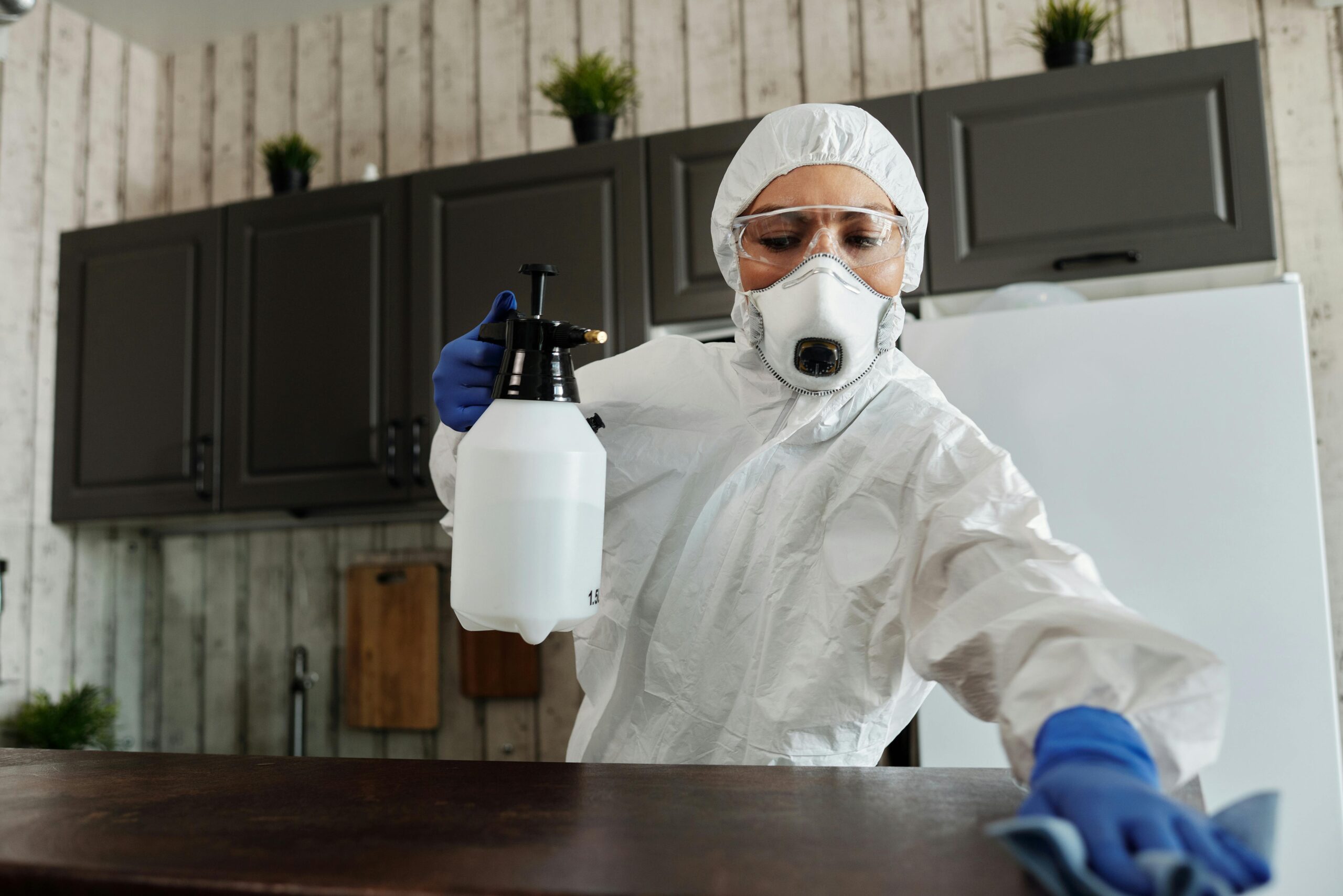
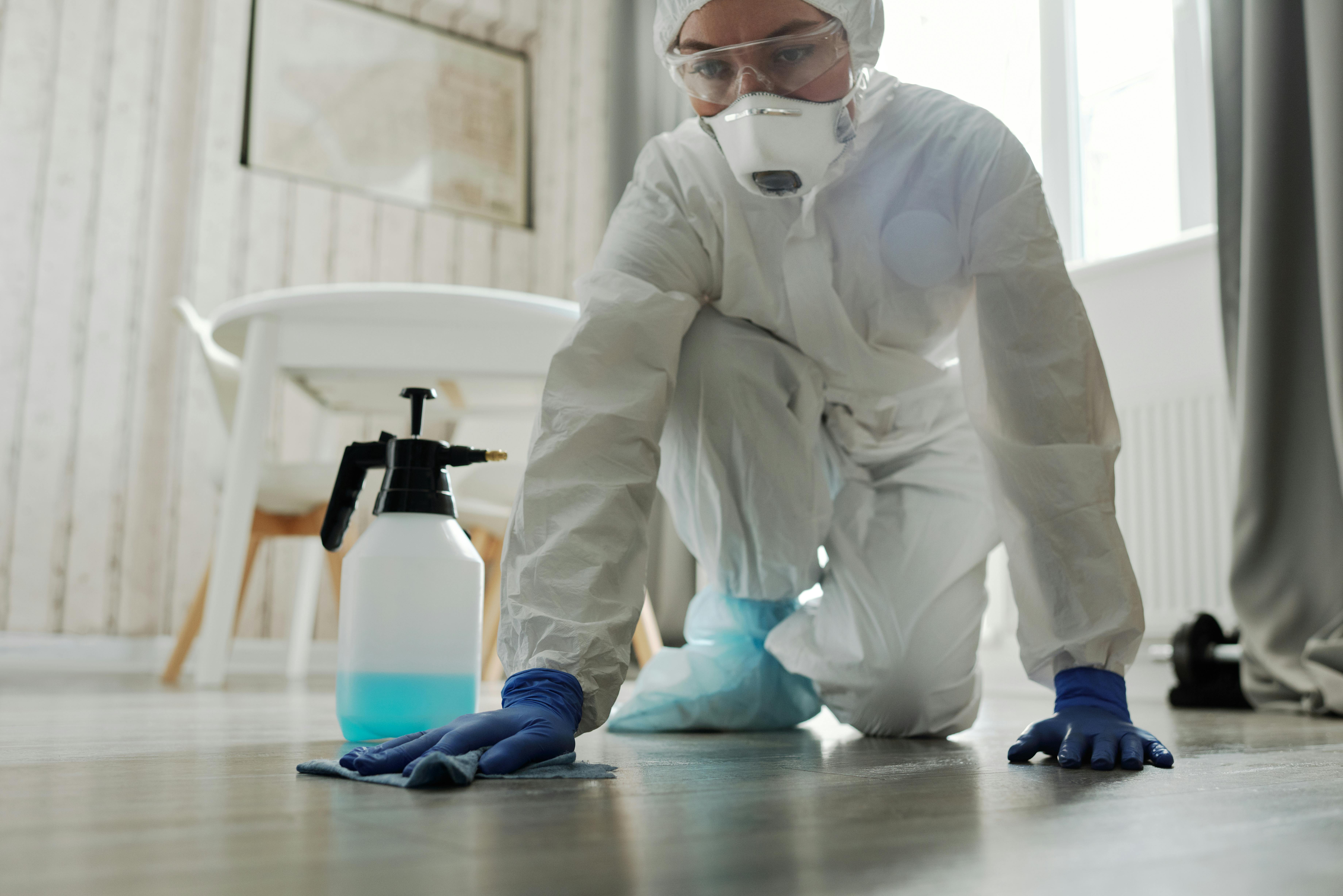
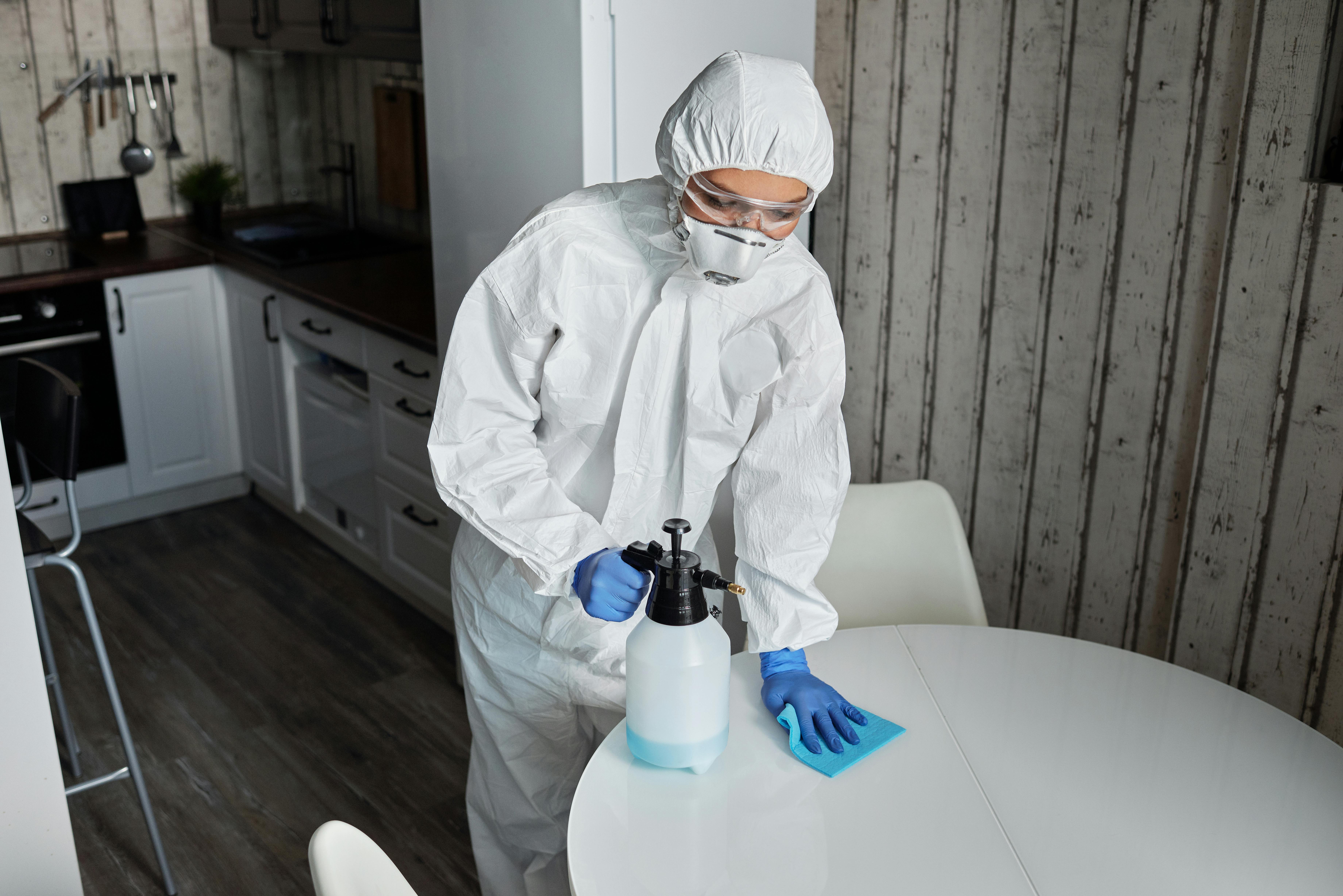
Personal Protective Equipments (PPE)
- Gloves
- Chemical-resistant gloves appropriate for the specific chemicals being used
- Regular inspection for tears or damage
- Eye Protection
- Safety glasses or goggles to prevent splashes
- Face shields for high-risk activities
- Respiratory Protection
- Masks or respirators when working with products that release fumes
- Well-ventilated areas for chemical use
Proper Dilution & Application
- Following Manufacturer Instructions
- Exact dilution ratios for concentrated products
- Proper application methods (spray, wipe, mop, etc.)
- Required contact time for disinfectants to be effective
- Dilution Safety
- Always add chemicals to water, not water to chemicals
- Use measuring tools specifically designated for chemical use
- Never mix different cleaning products, especially bleach and ammonia
- Application Best Practices
- Clean before disinfecting to ensure maximum effectiveness
- Allow proper dwell time for disinfectants (usually 5-10 minutes)
- Use the right tools for application (microfiber cloths, specific mops, etc.)
Storage and Management
- Proper Storage
- Cool, dry location away from direct sunlight
- Secure, locked storage for hazardous chemicals
- Original containers with intact labels
- Secondary containment for large volumes
- Chemical Management Systems
- Inventory tracking and rotation
- Safety Data Sheets (SDS) readily available
- Chemical registers for workplace compliance
- Automated dilution systems to ensure accuracy
- Emergency Procedures
- Spill kits accessible and maintained
- Eye wash stations and emergency showers where appropriate
- Clear emergency protocols and training
Common Hygiene Chemicals & Their Applications
Surface Cleaners
- All-Purpose Cleaners
- Versatile for multiple surfaces
- Often pH-neutral for safety
- Available in various scents and formulations
- Specialty Surface Cleaners
- Stainless steel cleaners
- Glass and mirror cleaners
- Wood and laminate cleaners
Sanitizers & Disinfectants
- Quaternary Ammonium Compounds (Quats)
- Effective against a broad spectrum of microorganisms
- Relatively low toxicity
- Commonly used in food service and healthcare
- Chlorine-Based Products
- Bleach and other chlorine compounds
- Highly effective against most pathogens
- Potential for surface damage and respiratory irritation
- Hydrogen Peroxide-Based Products
- Environmentally friendly option
- Breaks down into water and oxygen
- Effective against a wide range of pathogens
- Alcohol-Based Sanitizers
- Quick-drying and residue-free
- Commonly used for hand sanitization
- Effective against many bacteria and viruses
Specialized Cleaning Chemicals
- Enzymatic Cleaners
- Use biological enzymes to break down organic matter
- Effective for protein-based stains and odors
- Common in healthcare and food service
- Acid Cleaners
- Remove mineral deposits and scale
- Used for bathroom fixtures and descaling equipment
- Require careful handling due to corrosive properties
- Alkaline Degreasers
- Break down oils and greases
- Used in kitchens and industrial settings
- Available in various strengths
Environmental & Health Considerations
Green Cleaning Options
- Certified Green Products
- Third-party certifications (Green Seal, EcoLogo, etc.)
- Reduced environmental impact
- Often safer for occupants
- Plant Based Ingredients
- Derived from renewable resources
- Often biodegradable
- Reduced toxicity concerns
- Concentrated Products
- Less packaging waste
- Reduced transportation emissions
- Often more economical in the long run
Health Impact Minimization
- Reduced Exposure Strategies
- Proper ventilation during use
- Scheduling cleaning during low-occupancy periods
- Using the least hazardous product that will do the job
- Fragrance-Free Options
- Reduced potential for allergic reactions
- Better for sensitive individuals
- Prevents chemical masking of odors
Training & Compliance
- Staff Training Requirements
- Proper chemical handling procedures
- Understanding of SDS information
- Emergency response protocols
- Regulatory Compliance
- OSHA Hazard Communication standards
- EPA regulations for antimicrobial products
- Industry-specific requirements (healthcare, food service etc.)
- Documentation and Record-Keeping
- Training records
- Chemical inventory
- Incident reports
Conclusion
Effective hygiene chemical management is essential for maintaining clean, safe environments while protecting workers, occupants, and the environment. By understanding the different types of hygiene chemicals, their proper applications, and safety considerations, organizations can develop comprehensive cleaning programs that achieve the desired level of cleanliness and sanitation without unnecessary risks.
Remember that the least hazardous product that can effectively do the job is always the best choice. With proper selection, training, and protocols in place, hygiene chemicals can be powerful tools in preventing disease transmission and maintaining healthy environments.